How to Store Herbal Tea at Home
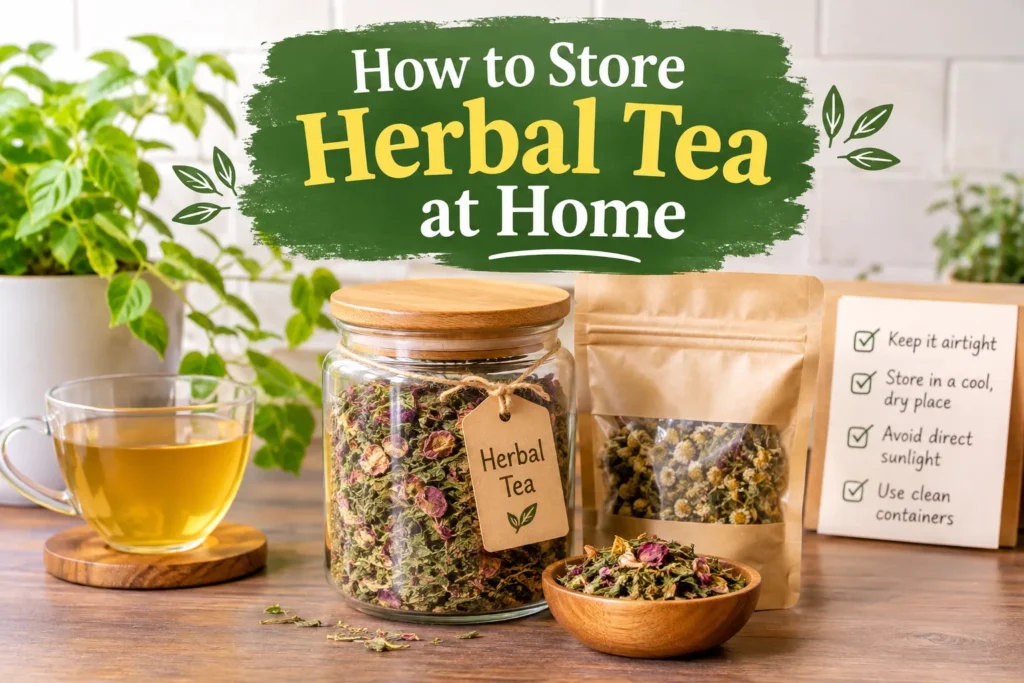
If you are wondering how to store herbal tea at home, you are not alone. Every week, families in Varanasi buy lemongrass tea, green tea, tulsi tea and other herbal blends, and then find the same tea tasting flat and dusty after a few months. The reason is simple. Herbal tea is made of dried leaves, flowers, roots and seeds, and these are very sensitive to air, light, heat and moisture. The good news is that the fix is easy and costs almost nothing.
In this guide, we explain everything in plain language. You will learn the best containers, the right place in your kitchen, how long each tea lasts, how to protect your tea in the humid monsoon of Uttar Pradesh, and the common mistakes that spoil good tea. We have written this from our daily work with herbal tea, so you will find practical tips, not just theory.
Who Is This Guide For?
This article is for anyone who drinks or sells herbal tea:
- Families who drink lemongrass tea, green tea or tulsi tea every morning
- People who started a healthy lifestyle and bought many different tea packets at once
- Small shop owners and gift sellers who keep tea stock in their store
- Anyone who bought a large pack to save money and now worries about waste
- Gym-goers, yoga lovers and office workers who keep tea bags at their desk
If you have ever opened a tea box and felt the smell was missing, this guide is for you.
Understanding the Search Intent: What Do You Really Want to Know?
When people search for this topic, they usually want quick and clear answers to a few questions. Which container is best? Can I keep tea in the fridge? How long does herbal tea stay good? How do I know if my tea has gone bad? What should I do in the rainy season?
We have answered each of these questions below, one by one. You can jump to any section you need, but we suggest reading the whole guide once, because small habits together make a big difference.
Quick Answer: How to Store Herbal Tea at Home
The short answer is this. Keep your herbal tea in an airtight, opaque container, in a cool, dry and dark cupboard, away from the stove, sunlight, water and strong smells. Close the lid tightly after every use, use a dry spoon, and do not put dried tea in the fridge.
Here is the same answer in a simple checklist:
- Use an airtight container made of steel, ceramic, tin or dark glass
- Keep it in a cool, dry and dark place, below 25 to 30 degrees Celsius if possible
- Never expose tea to damp air, steam or wet spoons
- Keep it away from spices, pickles, soap and cleaning liquids
- Write the date of opening on the container
- Finish opened tea within the recommended time (see our shelf life table below)
If you follow just these six steps, your tea will stay fresh much longer than most people expect.
What Is Herbal Tea and Why Is It Different from Regular Tea?
Regular black tea and green tea come from the Camellia sinensis plant. Herbal tea, also called a tisane, is made from other plants, such as lemongrass, tulsi (holy basil), chamomile, mint, ginger, hibiscus, fennel, cinnamon and rose petals. Many herbal blends contain no tea leaf at all.
This difference matters for storage. Herbal ingredients contain natural oils and aroma compounds. Lemongrass, for example, has a strong citrus smell because of its essential oils. These oils fade when the tea meets air and heat. Flowers such as hibiscus and chamomile also absorb moisture quickly. That is why a herbal tea that was fragrant in the packet can smell like dry grass after a few weeks of careless storage.
Green tea is also delicate. It is only lightly processed, so it loses its fresh, grassy flavour faster than black tea. If you drink both green tea and herbal blends, good storage matters even more for you.
Why Proper Storage of Herbal Tea Is Important
Knowing how to store herbal tea at home is not only about taste. It affects your money, your health and your daily tea ritual.
1. It Protects Flavour and Aroma
The best part of a cup of herbal tea is its smell and taste. Once the natural oils escape, no amount of extra tea leaves can bring that flavour back. Many people add more tea to the cup to fix a weak taste, and they end up using the packet faster.
2. It Saves Your Money
Good herbal tea is not very cheap. If half of the packet becomes stale and gets thrown away, you lose money. A steel container costs a few rupees compared with the tea you save.
3. It Keeps Your Tea Safe
Moisture can lead to mould, especially in a place like Varanasi where the air is humid for many months. Mouldy tea is unsafe to drink. Dry, airtight storage reduces this risk.
4. It Keeps the Natural Benefits Intact
Herbal teas are loved for their calming, refreshing and comforting effects. Heat and light slowly break down the plant compounds. We cannot promise any medical result, but we can say that fresher tea gives you the best of what the plant naturally offers.
5. It Gives You a Better Daily Habit
When your tea smells lovely every morning, you enjoy the habit more. This small pleasure helps people stay regular with healthy drinking habits like replacing sugary drinks with lemongrass tea or green tea.
The Five Enemies of Herbal Tea
To store tea well, you must understand what spoils it. There are five main enemies.
Air (Oxygen)
Oxygen reacts with the oils and leaves, which is called oxidation. This makes tea stale. Every time you open the container, fresh air enters. So the less air space inside the container, the better. If you finish half the tea, move it to a smaller container.
Light
Sunlight and strong tube light damage the colour and flavour of tea. A clear glass jar on a kitchen shelf looks pretty, but it is one of the worst ways to store tea. If you like glass, choose dark amber glass or keep the jar inside a closed cupboard.
Heat
Heat speeds up the loss of aroma. Never keep your tea near the gas stove, microwave, oven, kettle, water heater or a sunny window. The shelf above the stove is a very common mistake in Indian kitchens.
Moisture
Dry herbal tea should stay dry. Steam from boiling water, a wet spoon or humid air can make leaves soft, sticky or mouldy. During the rainy season, this is the biggest problem in Uttar Pradesh.
Strong Smells
Tea absorbs the smell of things around it like a sponge. If you keep your tea beside garam masala, asafoetida, dry fish, onions or phenyl, it will take on those smells. Keep tea in its own corner.
Best Containers for Storing Herbal Tea
The container you choose is the heart of herbal tea storage. Let us compare the common options.
Stainless Steel Containers with Tight Lids
Steel is strong, blocks light and does not hold smells if it is washed and dried well. A good steel dabba with a rubber gasket or a tight press lid is one of the best and most affordable choices for Indian homes.
Tin Caddies
Tin boxes are the traditional tea storage choice. They block light and look nice. Make sure the lid fits tightly, because loose lids let in air and moisture. Do not use old biscuit tins that still smell of butter or cookies.
Ceramic Jars with Airtight Seals
Ceramic is good at blocking light and heat. Pick a jar with a silicone ring in the lid. A simple ceramic jar with a loose wooden lid will not protect your tea for long.
Dark Glass Jars
Amber or dark green glass with a rubber seal is a good option for people who like to see their tea. Keep it inside a cupboard for extra protection from light.
Clear Glass Jars
These are fine only if you keep them in a dark cupboard. On an open shelf they let in light and the tea will lose its colour and flavour soon.
Plastic Containers
Food-grade plastic with an airtight lid can work for short-term storage, but plastic can hold old smells and sometimes let in tiny amounts of air. If you use plastic, choose a good quality food-safe one and never use a container that smelled of pickle, curry or oil earlier.
Original Packets with Zip Locks
Many good packets have a resealable zip. This is fine for a month or two. For longer storage, move the tea into a proper container. Press the air out of the packet before you seal it.
Quick Comparison Table
| Container | Blocks Light | Airtight | Our Rating |
|---|---|---|---|
| Stainless steel with gasket | Yes | Yes | Excellent |
| Tin caddy with tight lid | Yes | Mostly | Very good |
| Ceramic jar with seal | Yes | Yes | Very good |
| Dark glass jar with seal | Mostly | Yes | Good |
| Clear glass jar | No | Yes | Only inside a cupboard |
| Food-grade plastic | Depends | Mostly | Okay for short term |
| Open paper packet | No | No | Not recommended |
Step-by-Step: How to Store Herbal Tea at Home the Right Way
Now let us put everything together. Follow these steps whenever you bring a new packet of tea home.
Step 1: Check the Tea Before You Store It
Open the packet and smell it. Fresh herbal tea should smell clean and strong. Look for lumps, white spots or a damp feel. If anything looks wrong, do not store it. Contact the seller.
Step 2: Choose the Right Container
Pick a clean, completely dry, airtight and opaque container. The size should match the quantity of tea so that there is very little empty space left inside.
Step 3: Clean and Dry the Container Fully
Wash the container with plain water and a little mild soap, rinse well, and dry it in the sun or with a clean cloth. Leave it open for a few hours so no moisture is left. Smell it to make sure there is no soap or food odour.
Step 4: Transfer the Tea Quickly
Pour the tea into the container in a dry, calm place, not near the stove or an open window. Do it fast so the leaves do not meet humid air for long.
Step 5: Label It
Write the tea name, the date of purchase and the date of opening on a sticker. This one small habit helps you use older packets first.
Step 6: Pick the Right Spot
Keep the container in a cool, dry, dark cupboard that is away from the stove, refrigerator back panel, microwave and window. A bedroom shelf or a low kitchen cupboard far from heat is often better than the kitchen counter.
Step 7: Use a Dry Spoon Every Time
A wet spoon can bring moisture into the container in a single use. Keep one dry steel or wooden spoon for taking out tea.
Step 8: Close the Lid Tightly
After taking your tea, close the lid right away and check that it is tight. Do not leave the container open while the water is boiling, because steam enters easily.
Step 9: Keep Small Daily Stock and a Big Backup Stock
If you buy in bulk, divide it. Keep a small container for daily use and store the rest in sealed packets or a second airtight container. This way the main stock is opened rarely and stays fresh.
Step 10: Check Every Few Weeks
Open the container once in a while, smell the tea and check for dampness. This habit catches problems early, especially in the rainy season.
How to Store Different Types of Herbal Tea
Not all herbal teas are the same. Here are tips for the most popular ones in our region.
How to Store Lemongrass Tea
Lemongrass tea is loved for its fresh citrus smell. That smell comes from essential oils, which are delicate. Store dried lemongrass pieces in an airtight steel or ceramic container, away from heat and light. Whole or coarsely cut pieces keep their aroma longer than very fine powder. If your lemongrass tea is in the form of fine cut, use it within six to nine months of opening for the best taste.
How to Store Green Tea
Green tea is the most delicate of the common teas. Keep it in a small, airtight, opaque container in a cool and dark place. Buy in small quantities if you drink it slowly. Opened green tea tastes best within two to three months, though it is safe for longer if kept dry. Never keep green tea near coffee, spices or anything with a strong smell.
How to Store Tulsi Tea
Tulsi leaves are light and absorb moisture quickly. Keep tulsi tea in a tightly closed jar, away from steam. Do not store it near the water filter or kitchen sink.
How to Store Chamomile and Flower Teas
Flowers like chamomile, rose and hibiscus are fragile and soak up humidity. Use small airtight jars and avoid pressing or shaking them too much, because the petals can crumble into dust.
How to Store Ginger and Root-Based Teas
Dried ginger, turmeric and liquorice pieces are tougher, but they still pick up moisture. Keep them airtight. Because they have a strong smell themselves, store them away from delicate teas like green tea and chamomile.
How to Store Mint and Fennel Tea
Mint is full of volatile oils and loses aroma fast, while fennel seeds are stronger and last longer. Store both in airtight jars, and keep mint separate from other teas because its smell is very strong.
How to Store Tea Bags
Tea bags are easy to use but the paper and string can absorb smells. Keep them in the original sealed pouch or in an airtight box. If the bags are individually wrapped, keep them wrapped until use. Do not store open tea bags in a dish on the table.
How to Store Loose Leaf Tea
Loose leaf tea has more surface area exposed, so it needs a tight lid and a dark place. Buy small amounts, check freshness often, and finish within the suggested time.
How to Store Herbal Tea Blends
Blends mix leaves, flowers, spices and sometimes dried fruit. The fruit pieces may attract moisture. Use a very dry, airtight container, and store blends with fruit in a smaller jar so you finish them sooner.
How Long Does Herbal Tea Last? A Simple Shelf Life Guide
Herbal tea does not usually become dangerous when it gets old, but it loses flavour and aroma. The numbers below are general guidelines for good storage, and the best-before date on your packet should always come first.
| Type of Tea | Best Taste After Opening | Maximum Suggested Time |
|---|---|---|
| Green tea (loose or bags) | 2 to 3 months | Up to 6 to 12 months |
| Lemongrass tea (dried pieces) | 6 to 9 months | Up to 12 months |
| Tulsi tea | 6 months | Up to 12 months |
| Chamomile and flower teas | 6 months | Up to 12 months |
| Ginger and root teas | 9 to 12 months | Up to 18 months |
| Mint tea | 4 to 6 months | Up to 12 months |
| Fruit and spice blends | 4 to 6 months | Up to 12 months |
| Tea bags in sealed pouch | 6 to 12 months | Up to the printed date |
These are not strict rules. Heat, humidity and how often you open the container all change the shelf life. When in doubt, use your nose and eyes.
How to Store Herbal Tea at Home in Varanasi’s Hot and Humid Weather
Our city has three tough seasons for tea: the very hot summer, the humid monsoon and the damp winter mornings along the Ganga. Each needs a slightly different approach.
Summer Tips (April to June)
Temperatures in Uttar Pradesh can cross 40 degrees. Keep tea in the coolest part of the house, away from the kitchen heat and the top shelves where hot air collects. Avoid keeping tea on the roof-facing wall of a room.
Monsoon Tips (July to September)
Humidity is the biggest risk. Use only truly airtight containers. Put the container inside a second closed box if possible. Open it only when needed and never in the kitchen while cooking. A small food-grade silica gel pouch placed in a separate cloth bag near the container, not touching the tea, can help reduce dampness. Only use packets that are clearly marked as safe for food areas.
Winter Tips (November to February)
Cold weather is kind to tea, but fog and damp air can still enter containers. Do not move tea from a cold cupboard to a warm kitchen and open it immediately, because water droplets can form on the leaves. Let the container reach room temperature first.
Power Cuts and Hot Rooms
If your house gets very hot during power cuts, choose a lower cupboard and a steel container, because steel stays cooler than plastic.
Should You Keep Herbal Tea in the Fridge or Freezer?
For most people, the answer is no. A fridge is cold, but it is also damp and full of food smells. Every time you open the container, cold tea meets warm air and tiny water droplets form. This makes the leaves wet.
There is one exception. If you buy a large quantity of green tea and want to keep it for many months, you can seal it in an airtight, vacuum-sealed pack, freeze it, and take it out only once. When you take it out, let the closed pack reach room temperature before opening it. Do not freeze and thaw the same packet again and again.
For daily use, a cool, dark cupboard is the best place.
How to Store Brewed Herbal Tea
Sometimes you make a large pot of lemongrass tea or iced green tea and want to keep it. Here is what to do:
- Let the tea cool to room temperature, but do not leave it out for hours
- Pour it into a clean, covered glass bottle or jar
- Store it in the fridge and drink it within 24 to 48 hours
- Do not add milk or honey before storing, as these spoil faster. Add them just before drinking
- Throw away any tea that smells sour, looks cloudy or has floating particles
Never keep brewed herbal tea at room temperature for a whole day, especially in summer.
How to Know If Your Herbal Tea Has Gone Bad
Use your senses. Your tea may be bad if you notice:
- A musty, sour or damp smell
- White, green or black spots, which can be mould
- Clumps or sticky leaves
- Tiny insects or webs
- A very faded colour compared with when you bought it
- Little or no aroma and a flat, dusty taste
If you see mould or insects, throw the whole container away. Do not try to pick out the bad parts. If the tea is only dull and weak, it is usually safe but not enjoyable, and you can use it for a simple purpose like a cooling hair rinse or in the garden compost.
Common Mistakes People Make While Storing Herbal Tea
In our experience, a few simple mistakes cause most of the damage. Check if you are making any of them.
- Keeping tea above the stove. Heat and steam together are the worst combination.
- Using clear jars on an open shelf. Light fades the tea quickly.
- Using a wet spoon. One wet spoon can start mould in a humid month.
- Mixing old and new tea in the same jar. The old tea can spoil the fresh one. Finish the old stock first.
- Storing tea near spices. Your green tea should not smell like cumin.
- Leaving the lid loose. Even a small gap lets in air and moisture.
- Buying too much at once. A huge packet that you open every day gets stale before you finish it.
- Refrigerating dried tea without sealing. The fridge adds moisture and smells.
- Ignoring the date. Without a label, it is easy to forget how old the tea is.
- Using a container that held something smelly before. Pickle jars, oil tins and masala boxes are poor choices for tea.
The mistake we see most often is the very first one. Please move your tea away from the stove today. It takes only a minute and gives instant protection.
About Lappsewellness: Herbal Tea Made Simple for Varanasi
Lappsewellness is a herbal tea and wellness brand based in Dafi, Varanasi, Uttar Pradesh. We work with herbal tea, green tea, lemongrass tea and other healthy blends, and our goal is simple: to bring clean, fresh and affordable herbal tea to families in our city and nearby areas, without confusing language or heavy prices.
We are a local business, so we understand local problems. We know how hot the summers are, how sticky the monsoon feels and how many homes still keep tea in whatever jar is available. That is why we do not only sell tea. We also guide our customers, and this article, including our advice on how to store herbal tea at home, is a part of that promise.
Our address: Lappsewellness, House No-2, Hanumat Nagar Colony, Dafi, Varanasi, Uttar Pradesh, India 221011
Phone: 099109 04371
Why Choose Lappsewellness?
There are many tea options in the market today, so why should you pick a local brand like ours? Here are the honest reasons.
- Local and easy to reach. We are in Dafi, Varanasi. You can call us, ask questions and get answers in simple language.
- Fresh stock focus. We keep the stock moving and store it properly, so the tea you receive is not sitting for months.
- Honest guidance. We tell you which tea suits your taste and daily routine. We do not push the most expensive pack.
- Fair prices. We aim to keep our prices friendly for middle-class families in Varanasi.
- Simple and transparent. You can ask about ingredients, quantity and how to use the tea. We are happy to explain.
- Care after the sale. If you have a problem with storing or brewing your tea, we help you with it.
Our Unique Selling Points
Herbal Tea Plus Free Guidance
Most sellers hand over the packet and say goodbye. We also teach you how to keep it fresh and how to brew it properly. Good guidance is a big part of getting value from a tea.
Affordable Herbal Tea in Varanasi
Healthy habits should not be only for rich people. We try to offer a good range of herbal teas at prices that a normal family can manage, with small and medium pack sizes so you can try before you buy more.
Focus on Everyday Wellness Teas
Our focus is on herbal teas that people actually use in daily life: lemongrass tea, green tea and other soothing herbal blends.
Local Understanding
We understand Varanasi tastes, weather and budgets. We speak your language and know your concerns.
Trust Through Transparency
We never promise miracle cures. Herbal tea is a healthy drink and a good daily habit, not a medicine. We keep our claims honest.
Our Products and Services in Detail
Here is what you can expect from Lappsewellness.
Lemongrass Tea
A light, citrusy and refreshing herbal tea that many people enjoy in the morning or after meals. It can be had hot or cold, with a little honey or a slice of lemon if you like.
Green Tea
A popular choice for people who want a lighter, low-calorie drink in place of sugary tea. Our green tea is chosen for good taste and freshness.
Herbal Tea Blends
Blends of herbs, flowers and spices for different moods, such as a calming evening cup or a refreshing afternoon drink.
Tea Selection Help
Not sure which tea to buy? Tell us your taste, your daily routine and whether you prefer strong or light tea, and we will suggest options.
Storage and Brewing Advice
We explain how to keep your tea fresh, how much to use per cup, the right water temperature and how long to steep.
Gifting and Bulk Orders
For weddings, festivals, offices, yoga studios and gifting, we can discuss pack sizes and quantities. Please call us to talk about your needs.
Note: Please confirm the current product list and available pack sizes with our team by phone before ordering.
Who We Serve: Customers and Industries
Herbal tea is not only for homes. We are happy to serve:
- Families and individuals who want a healthier tea habit
- Yoga and meditation centres that offer tea after classes
- Gyms and fitness studios that promote healthy drinks
- Hotels, guest houses and homestays in Varanasi that want to offer a welcome drink to travellers
- Cafes and small restaurants that want a herbal tea option on the menu
- Ayurveda and wellness centres that look for dependable herbal products
- Offices and coworking spaces that want a healthy pantry option
- Gift sellers and event planners who need hampers for festivals and weddings
Benefits of Choosing Good Herbal Tea and Storing It Well
When you buy good herbal tea and store it correctly, you enjoy these benefits.
- Better taste and aroma in every cup
- Less wastage, because tea stays usable for longer
- Safer drinking, because dry storage reduces mould risk
- Savings, since you do not have to replace spoiled stock
- A calming daily routine, with a warm cup of fragrant tea
- A healthy swap, replacing sugary soft drinks and heavy-sugar chai with lighter options
- Confidence, since you know your tea is fresh and handled properly
Herbal tea works best along with a balanced diet, enough water, sleep and movement. If you have a medical condition, are pregnant or take regular medicines, please speak to your doctor before making herbal tea a regular habit.
Our Step-by-Step Working Process
We keep our process simple, so every customer knows what will happen.
Step 1: Understand Your Need
You call or message us and tell us what you want: a daily tea, a gift pack or a bulk order.
Step 2: Suggest the Right Tea
We recommend suitable options based on your taste and budget, and we explain how each tea tastes.
Step 3: Choose Your Pack Size
Start small if you are new. Pick a bigger pack if you already know your favourite.
Step 4: Careful Packing
The tea is packed in a clean and dry way so that it reaches you in good condition.
Step 5: Delivery or Pickup
Depending on your location and order, we can discuss pickup or delivery. Please ask our team for current options.
Step 6: Storage and Brewing Guidance
We share tips on how to keep the tea fresh and prepare the perfect cup.
Step 7: Follow-Up
If you have a question later, call us. We are happy to help.
Tools and Methods We Use for Quality and Freshness
Our method is simple but careful. Here are the basic tools and practices behind good tea handling:
- Dry, clean workspace for handling tea
- Airtight containers and sealed packaging to protect aroma
- Dry steel scoops and spoons to avoid moisture
- Cool and dark storage areas away from heat and sunlight
- Labels with dates so that older stock is used first
- Regular checks for smell, colour and dampness
- Simple kitchen scale for correct weights
For your own kitchen, a digital scale, a few steel airtight jars, a thermometer or a kettle with temperature control, and a simple infuser are enough to enjoy tea like a professional.
What Affects the Price of Herbal Tea? Pricing Factors Explained
Prices of herbal tea can look very different from one seller to another. Here is why.
- Quality of ingredients. Whole leaves, clean cut pieces and good flowers cost more than dust and stems.
- Type of herb. Some herbs, such as saffron or rose buds, are costlier than lemongrass or fennel.
- Origin and growing method. Organically grown or specially sourced herbs can cost more.
- Pack size. Larger packs usually cost less per gram, but only buy big if you can store it well.
- Packaging. Airtight, resealable and attractive packaging adds cost but protects freshness.
- Processing. Hand-picked and carefully dried herbs cost more than rushed, machine-heavy processing.
- Freshness. Fresh stock is worth more than old stock that has been lying for a long time.
- Brand name and marketing. Some of the price you pay in a big brand goes to advertising.
- Delivery and location. Shipping from far away adds to the final bill.
At Lappsewellness, we try to keep the price fair by being a local seller with simple packaging and low overhead. Please call 099109 04371 for the latest rates.
Top 5 Well-Known Herbal Tea Brands in India
It is good to know the market. Here are five popular and well-known names that many Indians use for herbal tea and green tea. This list is based on general popularity and availability, and you should check the latest products and prices on their own websites.
1. Organic India
Organic India is widely known for its tulsi (holy basil) teas and herbal infusions. It has a strong name in the wellness space and is easy to find in stores and online.
2. Vahdam India
Vahdam is a modern Indian tea company known for single-estate teas, green teas and herbal blends, often sold online with attractive gift packs.
3. Teabox
Teabox is an online tea seller that offers teas from Indian gardens, including Darjeeling and Assam, along with green and herbal options.
4. Twinings
Twinings is a very old British tea brand that sells herbal infusions, green tea and fruit blends. It is widely available in Indian supermarkets.
5. Tata Tea and Tetley (Tata Consumer Products)
Tetley green tea and herbal bags from the Tata group are easy to get in almost any shop, which is why many first-time green tea drinkers begin here.
All of these are respected names, and we do not say anything against them. Each has its strengths. The question is what suits you best.
Why Lappsewellness Is a Good Choice for Varanasi Customers
Big brands are good, but a local seller offers some things they cannot.
| Point | Big National Brands | Lappsewellness |
|---|---|---|
| Location | Online or in stores | Local, Dafi, Varanasi |
| Talking to someone | Customer care or website | Direct phone call to our team |
| Guidance | Printed on the packet | Personal advice in simple language |
| Pricing | Includes advertising and brand cost | Aims to be affordable for local families |
| Pack sizes | Fixed pack sizes | Flexible, ask us |
| Local weather advice | General | Specific to Varanasi heat and humidity |
| Relationship | Anonymous | Your neighbourhood tea partner |
We believe in being fair. If a big brand is right for you, that is perfectly fine. But if you want a local, friendly, affordable option with real guidance, Lappsewellness is ready to help.
Why We Stand Out From Competitors
- We are reachable and accountable, because you can visit or call
- We care about freshness and tell you how to protect it
- We explain things in language everyone understands
- We keep our promises modest and honest
- We respect your budget
Real-World Examples: How Small Storage Changes Save Tea
These are everyday situations we see again and again in homes around Varanasi.
Example 1: The Stove-Side Shelf
A family kept their lemongrass tea in a jar on the shelf right above the gas stove. Within two months, the lovely citrus smell had gone. After moving the same type of tea to a steel box in a low cupboard, the next packet kept its aroma for much longer. This is a simple example of how to store herbal tea at home with no extra cost, only a change of place.
Example 2: The Monsoon Surprise
A small tea seller bought a large pack of green tea in July and stored it in a loosely closed plastic jar. By September the leaves were soft and had a musty smell. A tight-lid steel container and smaller portions would have avoided this. The lesson: during humid months, buy less and seal better.
Example 3: The Wet Spoon
A home user used the same spoon for tea and for stirring sugar in a hot cup. A few drops of moisture entered the jar every day. Within weeks the tea was clumpy. Using a separate, dry spoon solved the problem.
Example 4: The Gift Box That Faded
A gift hamper of herbal tea was displayed in clear jars near a sunny window in a shop. The colours of the flowers faded and the aroma weakened. Moving the display away from direct light and keeping the stock in sealed boxes helped a lot.
Illustrative Case Studies
These case studies are generic, illustrative examples based on common situations. They are not records of specific named customers.
Case Study 1: A Yoga Studio Wants a Fresh Tea Corner
Problem: A small yoga studio in Varanasi offered green tea and lemongrass tea after morning classes, but the tea tasted dull by the second month.
What went wrong: The tea was stored in open glass jars on a reception shelf near a window, and staff used a wet ladle.
Solution: The studio switched to smaller steel containers, kept them in a closed cupboard, used dry scoops and bought smaller refills more often.
Result: The tea stayed aromatic through each pack, and wastage fell. Customers enjoyed the drink more.
Case Study 2: A Homestay Owner Offers a Welcome Drink
Problem: A guest house owner wanted to offer a herbal welcome tea but worried about humidity near the river and in the rainy season.
What went wrong: Tea was kept in the kitchen, near the cooking area.
Solution: The owner moved the tea to a dry storeroom shelf, used airtight tins, and checked the stock every two weeks during the monsoon.
Result: No more damp or musty tea, and a consistent welcome drink for guests.
Case Study 3: A Family Switches from Sugary Chai to Herbal Tea
Problem: A family wanted to reduce sugar and began drinking lemongrass tea and green tea, but the taste became weak after some weeks and they lost interest.
What went wrong: Large packets were opened daily and left half-closed.
Solution: They divided the stock into a small daily jar and a sealed backup, labelled the dates and used only dry spoons.
Result: The tea tasted fresh to the last cup, and the healthy habit continued.
Customer-Focused Solutions from Lappsewellness
Every customer has a different need. Here is how we try to help.
- If you are new to herbal tea: Start with a small pack of lemongrass tea or a mild green tea and learn what you like.
- If you are on a budget: Ask us for the most value-for-money option. We will suggest what fits your pocket without cutting quality.
- If you live in a humid area: We will guide you on airtight containers and safe quantities.
- If you run a business: We can discuss bulk quantities, packing and regular supply.
- If you want gifts: Tell us the occasion and budget, and we will suggest pack ideas.
- If you have questions after buying: Call us. We will help with storage, brewing time and taste.
Quick Brewing Tips to Get the Best from Fresh Tea
Good storage is only half of the job. Brewing right brings out the flavour you worked to protect.
- Green tea: Use water that has cooled for a minute after boiling, around 75 to 80 degrees Celsius. Steep for 2 to 3 minutes. Boiling water can make it bitter.
- Lemongrass tea: Use hot water just off the boil. Steep for 5 to 7 minutes for a stronger taste.
- Tulsi and flower teas: Steep for 5 minutes, covered, so the aroma stays in the cup.
- Ginger and root teas: Simmer gently for 5 to 10 minutes.
- Measure properly: About one teaspoon of tea per cup is a good start. Adjust to your taste.
- Use clean, fresh water: Water quality changes the taste of tea.
Frequently Asked Questions (FAQs)
1. How to store herbal tea at home so it stays fresh for a year?
Keep it in an airtight, opaque container in a cool, dry, dark cupboard away from heat, light, moisture and strong smells. Use a dry spoon, close the lid tightly and label the date. Whole or coarse pieces last longer than fine powder, and a small container for daily use helps protect the main stock.
2. Which container is best for herbal tea?
A stainless steel container with a tight lid or gasket is one of the best choices, followed by tin caddies, ceramic jars with seals and dark glass jars. Avoid clear containers in the open and any container that holds old food smells.
3. Can I keep herbal tea in the fridge?
It is usually not a good idea for dried tea. The fridge has moisture and food smells, and moving the tea in and out causes water droplets. A cool, dark cupboard is better. Brewed herbal tea, however, should be refrigerated.
4. How long does herbal tea last after opening?
Most dried herbal teas taste best within 6 to 12 months of opening, while green tea tastes best in 2 to 3 months. Safe use depends on keeping it dry. Always check the best-before date on the packet.
5. How do I know if my herbal tea has gone bad?
Look for a musty or sour smell, mould spots, clumps, insects or a very faded colour. If you see mould or insects, discard the tea. If it is only weak in flavour, it is usually safe but less enjoyable.
6. Does lemongrass tea need special storage?
Lemongrass tea needs the same basic care as other herbal teas but loses aroma quickly when exposed to heat and air. Store it in an airtight steel or ceramic container in a cool, dark place and finish it within nine months for the best aroma.
7. How should I store green tea at home?
Keep green tea in a small, airtight, opaque container in a cool, dark cupboard, away from spices and coffee. Buy in small quantities, and use it within a few months of opening for the best taste.
8. How do I protect herbal tea in the monsoon season?
Use truly airtight containers, store them in a dry and cool spot, avoid opening them in the kitchen while cooking, always use a dry spoon and check the tea every two weeks. Buy smaller quantities during humid months.
9. Can I store different herbal teas in the same container?
It is better not to. Different teas can mix flavours and smells, and one damp tea can spoil another. Use separate containers, and label each one.
10. How long can I keep brewed herbal tea?
Store brewed tea in a clean, covered container in the fridge and drink it within 24 to 48 hours. Do not keep it outside for many hours, especially in summer. Add milk, honey or sugar only before drinking.
Conclusion: Small Habits, Fresher Tea
Herbal tea is a simple pleasure, and it deserves simple care. Now you know how to store herbal tea at home with the right container, the right place and a few good habits. Keep your tea airtight, dry, cool and dark. Use a dry spoon. Label the date. Stay careful in the monsoon. Avoid the stove-side shelf.
These small steps protect the taste, the aroma and your money. They also make your daily cup of lemongrass tea or green tea something to look forward to.
If you want fresh herbal tea and friendly guidance in Varanasi, Lappsewellness is here to help you at every step.
Call to Action: Talk to Lappsewellness Today
Ready for fresher, more flavourful herbal tea? Call or visit us and we will help you choose the right tea and show you how to store herbal tea at home so every cup tastes as good as the first.
Lappsewellness House No-2, Hanumat Nagar Colony, Dafi, Varanasi, Uttar Pradesh, India 221011
Call now: 099109 04371
Ask about lemongrass tea, green tea, herbal blends, gift packs and bulk orders. Our team is happy to answer your questions in simple language.